Starting your homeschooling journey can feel overwhelming, especially when you’re trying to find the right educational materials for your child. With so many options available, it can be difficult to know where to begin.
The good news is that successful homeschooling doesn’t require expensive programs or complicated systems. With the right homeschool resources, parents can create an engaging learning environment that supports their child’s growth, creativity, and confidence.
In this guide, we’ll explore the best homeschool resources for beginners and how to choose materials that make learning enjoyable and effective.
Why Homeschooling Is Growing in Popularity
More parents are choosing homeschooling because it offers flexibility, personalized learning, and the opportunity to focus on a child’s individual needs.
Benefits of homeschooling include:
- Flexible learning schedules
- Personalized lesson plans
- One-on-one attention
- Reduced classroom distractions
- More family involvement
- Learning at a child’s own pace
For beginners, the key is to find resources that are easy to use and enjoyable for children.
1. Printable Worksheets
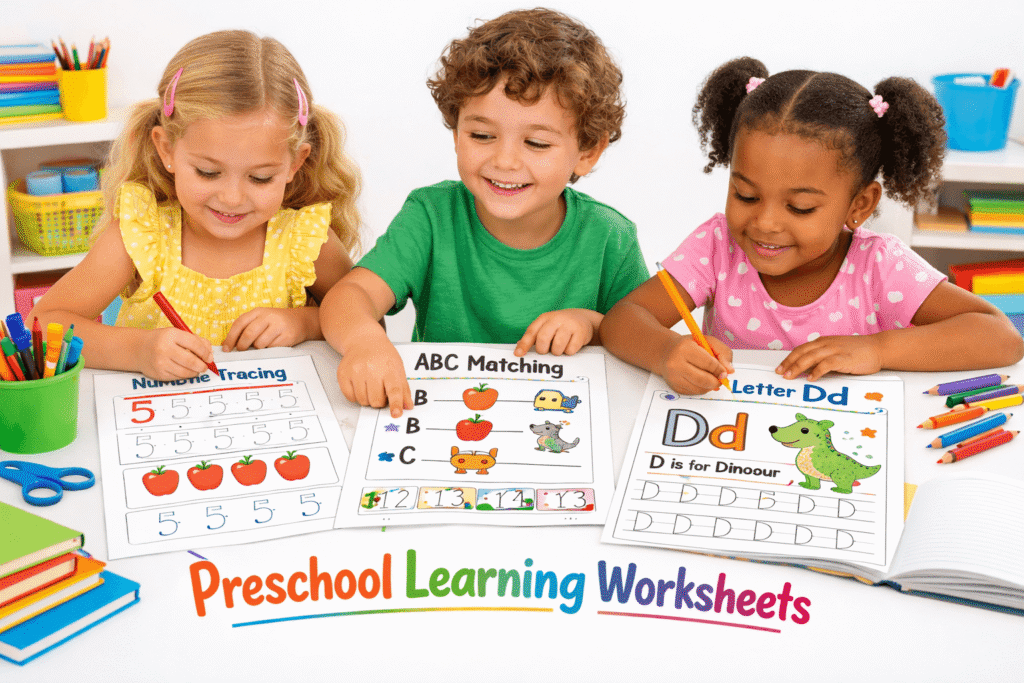
Printable worksheets are among the most valuable homeschool resources for beginners.
They help children practice:
- Reading
- Writing
- Math
- Problem-solving
- Fine motor skills
- Critical thinking
Printable worksheets are especially helpful because they can be used repeatedly and fit easily into daily learning routines.
Benefits of Printable Worksheets
- Easy to download and print
- Affordable educational option
- Suitable for independent learning
- Great for daily practice
- Supports multiple subjects
2. Phonics Workbooks
Learning to read is one of the most important milestones in early education.
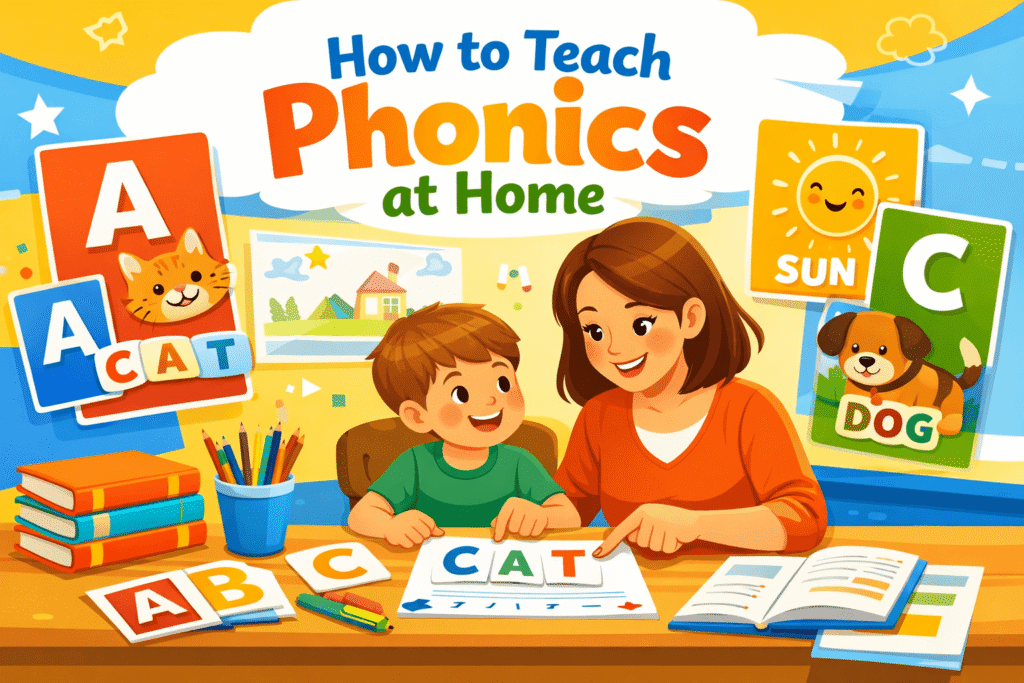
Phonics workbooks help children:
- Recognize letter sounds
- Blend sounds together
- Improve pronunciation
- Develop reading confidence
- Build vocabulary
For preschool and kindergarten learners, phonics activities provide a strong foundation for future reading success.
3. Learning Activity Books
Activity books combine education with entertainment, making learning more engaging.
Popular activities include:
- Matching games
- Word searches
- Tracing exercises
- Coloring activities
- Letter recognition
- Problem-solving challenges
Children often learn better when educational activities feel like play rather than work.
4. Homeschool Planners
Organization is essential for a successful homeschooling experience.
A homeschool planner helps parents:
- Schedule lessons
- Track progress
- Set learning goals
- Organize daily activities
- Manage multiple subjects
Planning can reduce stress and create a more consistent learning routine.
5. Learning Journals and Log Books
Learning journals encourage children to reflect on their progress and achievements.
Benefits include:
- Improved writing skills
- Better self-expression
- Increased confidence
- Progress tracking
- Goal setting
Journals are an excellent addition to any homeschool curriculum.
6. Chore Charts and Responsibility Trackers
Education is about more than academics.
Teaching responsibility helps children develop important life skills such as:
- Time management
- Accountability
- Independence
- Organization
Printable chore charts and responsibility trackers make it easier for parents to encourage positive habits.
7. Screen-Free Learning Resources
While technology can be useful, many parents want to reduce screen time.
Screen-free educational resources include:
- Printable worksheets
- Activity books
- Journals
- Reading exercises
- Hands-on projects
These activities help children stay engaged while promoting creativity and focus.
How to Choose the Right Homeschool Resources
When selecting homeschool materials, consider the following:
Child’s Age
Choose resources appropriate for your child’s developmental stage.
Learning Style
Some children learn best through reading, while others prefer hands-on activities.
Educational Goals
Focus on resources that support the skills you want your child to develop.
Ease of Use
Simple, printable resources are often the easiest option for busy parents.
Recommended Homeschool Resources for Beginners
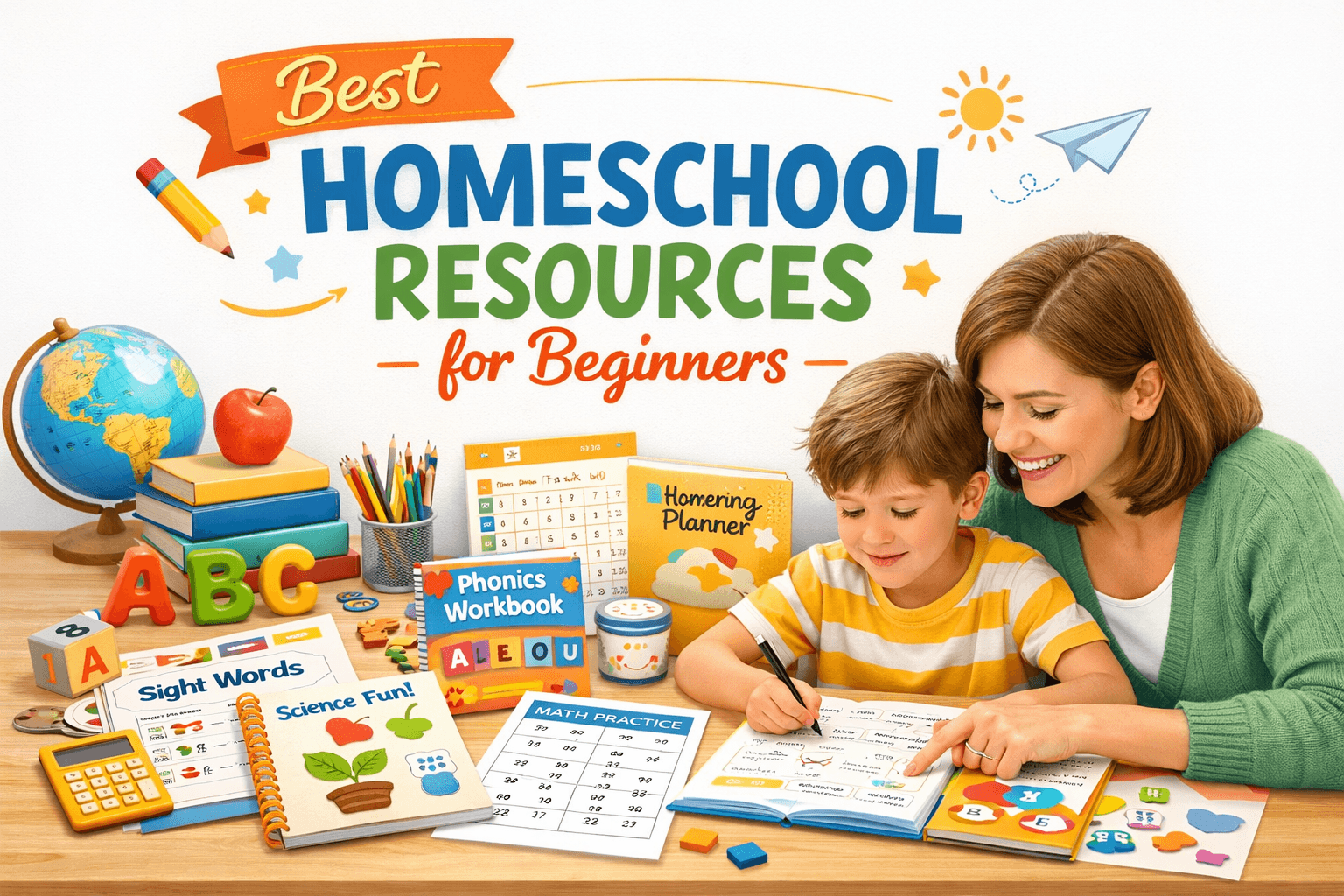
If you’re just getting started, consider building your homeschool toolkit with:
- Printable Worksheets
- Phonics Practice Workbooks
- Learning Activity Books
- Daily Planners
- Progress Trackers
- Learning Journals
- Chore Charts
These resources provide a balanced approach to education while keeping learning fun and engaging.
Final Thoughts
Homeschooling doesn’t have to be complicated. By choosing the right resources, parents can create an enjoyable learning experience that helps children grow academically and personally.
Printable worksheets, phonics workbooks, activity books, planners, and learning journals are some of the best homeschool resources for beginners because they are affordable, flexible, and easy to use.
Whether you’re teaching preschool, kindergarten, or early elementary students, the right educational tools can make homeschooling a rewarding journey for both parents and children.
Explore educational printables, learning activities, and homeschool resources designed to help your child learn with confidence and creativity every day.