Reading is one of the most important skills a child will develop during their early years. The good news is that learning to read doesn’t have to feel like schoolwork. With the right activities, preschoolers can build essential reading skills while having fun at the same time.
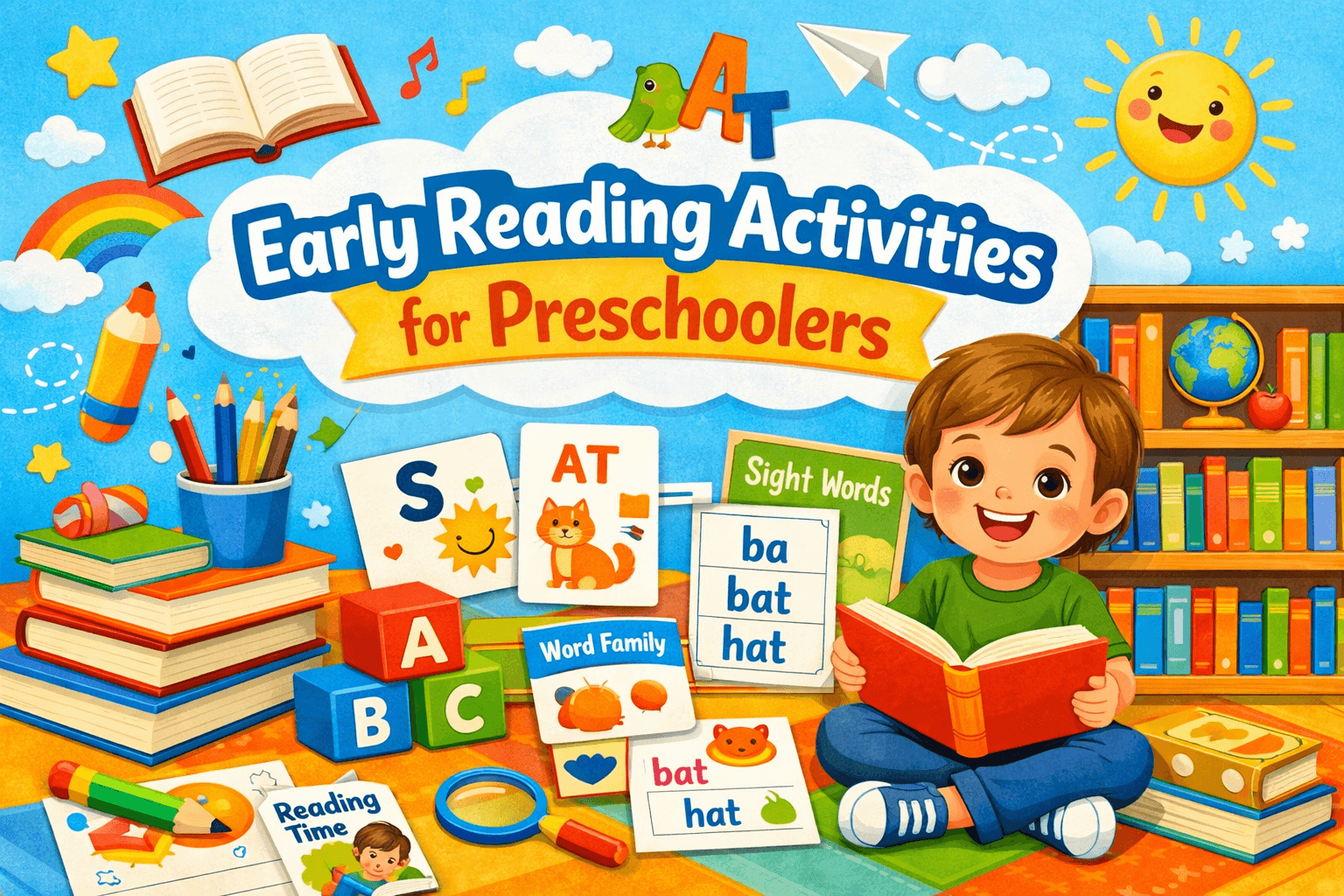
Whether you’re a parent, homeschool educator, or teacher, these early reading activities for preschoolers can help create a strong foundation for lifelong learning.
Why Early Reading Skills Matter
Early reading helps children:
- Develop language and communication skills
- Improve vocabulary
- Strengthen memory and concentration
- Build confidence in learning
- Prepare for kindergarten success
Children who are exposed to books, sounds, letters, and storytelling from an early age often develop stronger literacy skills as they grow.
1. Read Aloud Every Day
Reading aloud is one of the most effective early reading activities for preschoolers.
Choose colorful books with engaging illustrations and simple stories. Use different voices for characters and encourage your child to ask questions about the story.
Benefits:
- Builds vocabulary
- Improves listening skills
- Encourages a love of reading
Try reading for at least 15–20 minutes daily.
2. Practice Letter Recognition
Before children can read words, they need to recognize letters.
Fun ways to practice:
- Alphabet flashcards
- Magnetic letters
- Letter puzzles
- Alphabet posters
Ask your child to identify letters around the house, on signs, or in books.
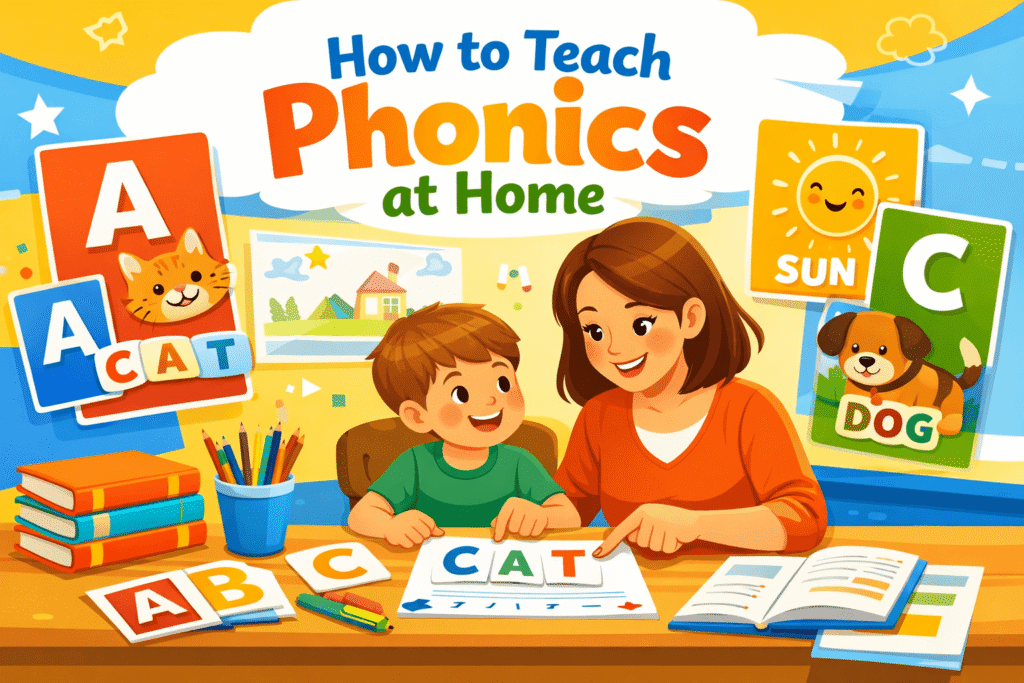
3. Play Phonics Games
Phonics helps children understand the relationship between letters and sounds.
Simple phonics activities include:
- Matching letters with sounds
- Beginning sound games
- Rhyming word activities
- Sound sorting games
For example, ask:
“What sound does the word cat start with?”
These activities strengthen early reading readiness.
4. Explore Rhyming Words
Rhyming helps children hear patterns in language.
Try activities such as:
- Singing nursery rhymes
- Reading rhyming books
- Playing rhyme matching games
Examples:
- Cat – Hat
- Sun – Fun
- Tree – Bee
Rhyming improves phonological awareness, an important reading skill.
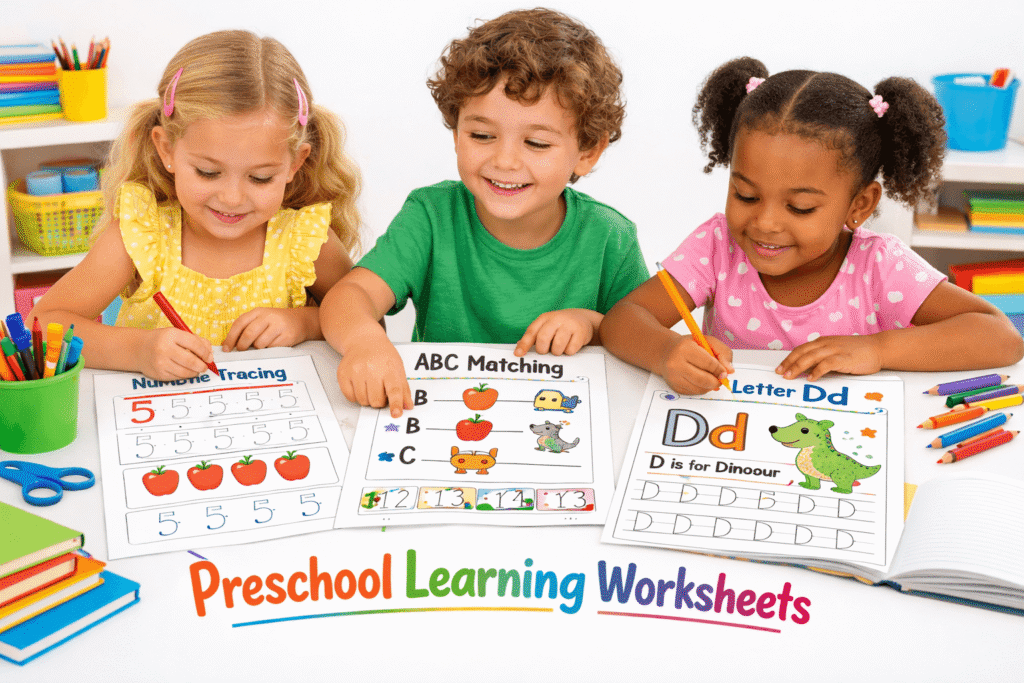
5. Use Printable Reading Worksheets
Printable worksheets can make learning more structured and engaging.
Look for activities that include:
- Letter tracing
- Sound recognition
- Word matching
- Picture identification
- Simple reading exercises
Printable reading activities provide hands-on learning that supports early literacy development.
6. Tell Stories Together
Storytelling encourages imagination and language development.
Ask your preschooler questions like:
- What happens next?
- Who is the main character?
- How does the story end?
Children love creating their own stories, and this helps strengthen comprehension skills.
7. Label Everyday Objects
Turn your home into a learning environment.
Label common items such as:
- Door
- Chair
- Table
- Window
- Book
As children see words repeatedly, they begin recognizing them naturally.
8. Sing Alphabet and Reading Songs
Music makes learning memorable.
Popular options include:
- Alphabet songs
- Phonics songs
- Nursery rhymes
- Letter sound songs
Children often learn faster when information is paired with rhythm and repetition.
9. Create a Reading Corner
A cozy reading space can encourage daily reading habits.
Include:
- Bookshelves
- Soft cushions
- Picture books
- Educational printables
Having a dedicated reading area makes reading feel special and exciting.
10. Encourage Interactive Reading
Instead of simply reading to your child, involve them in the story.
Ask questions like:
- What do you see on this page?
- What do you think will happen next?
- Can you find the letter B?
Interactive reading keeps children engaged and improves comprehension.
Best Reading Activities for Preschoolers at Home
If you’re looking for simple daily activities, start with:
- Reading picture books
- Practicing phonics
- Letter recognition games
- Rhyming activities
- Printable reading worksheets
- Storytelling exercises
Even 15–20 minutes each day can make a significant difference in your child’s reading development.
Final Thoughts
Helping your child learn to read doesn’t require complicated lessons. The best early reading activities for preschoolers are often the simplest ones. Reading aloud, practicing phonics, exploring rhymes, and using educational worksheets can create a positive learning experience while building essential literacy skills.
By making reading fun and engaging, you’ll help your child develop confidence, curiosity, and a lifelong love of learning.