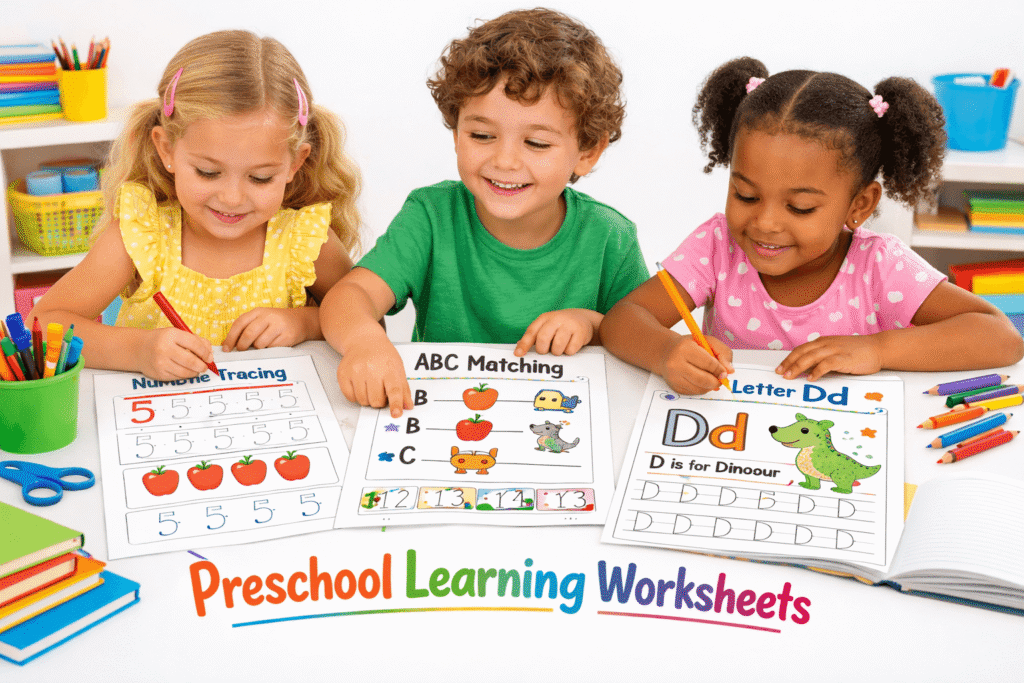
Parents today are constantly searching for ways to keep children engaged, learning, and having fun without spending hours in front of screens. That’s why printable learning activities have become one of the most popular educational tools for families, teachers, and homeschoolers.
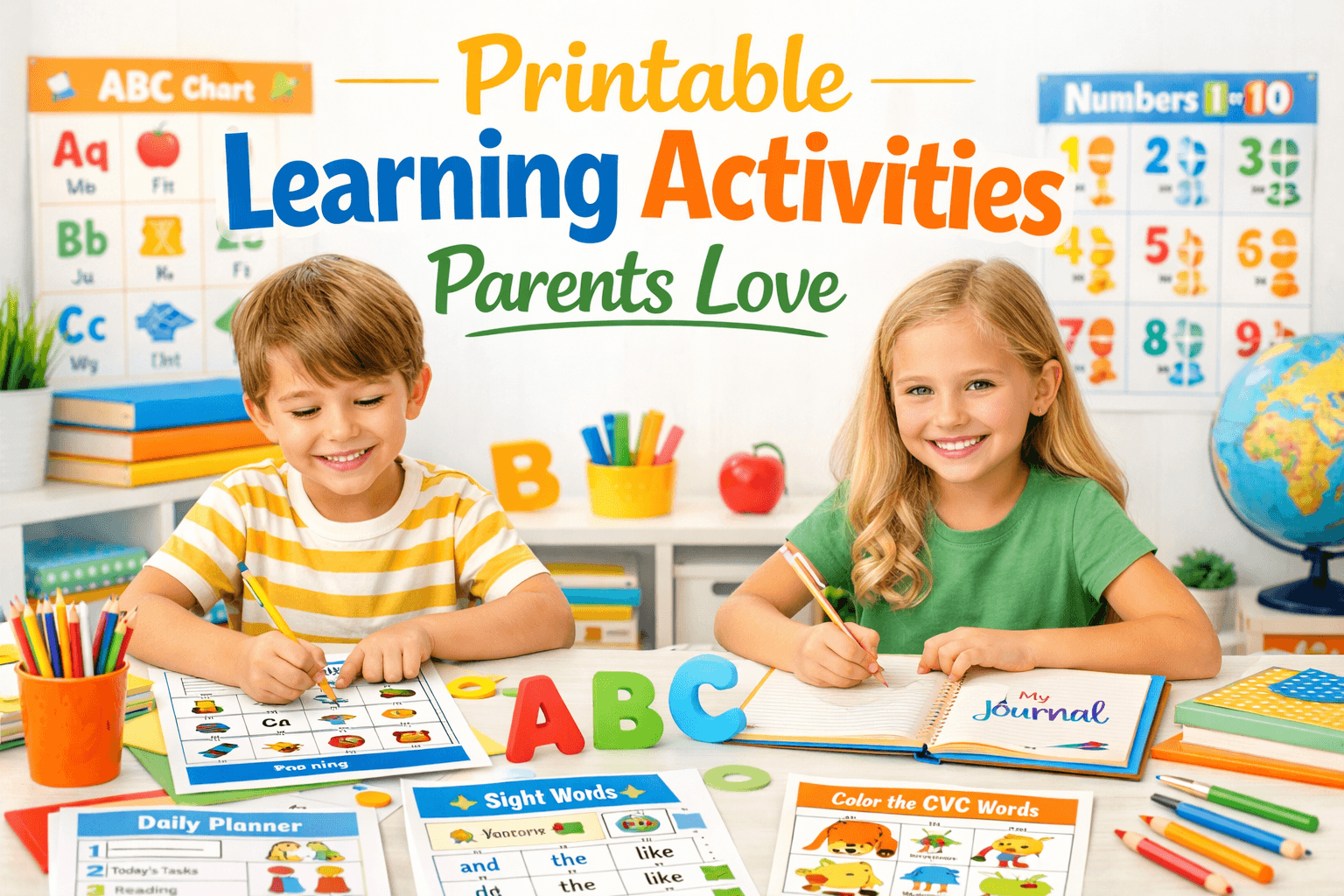
Printable activities offer a simple, affordable, and effective way to support children’s learning while encouraging creativity, independence, and problem-solving skills. Whether you’re teaching preschool basics, helping a kindergartener practice reading, or creating a structured daily learning routine, printable resources can make learning both enjoyable and productive.
Why Parents Love Printable Learning Activities
One of the biggest advantages of printable learning activities is convenience. Parents can instantly download educational worksheets, journals, planners, and activity pages and start using them within minutes.
Unlike many digital learning tools, printables provide a hands-on learning experience that helps children improve focus and retention while reducing screen time.
Benefits include:
- Easy to download and print at home
- Supports independent learning
- Encourages creativity and critical thinking
- Helps build daily learning habits
- Suitable for homeschooling and classroom use
- Affordable and reusable educational resources
The Importance of Screen-Free Learning
Children spend more time on screens than ever before. While technology can be helpful, many parents are looking for healthy alternatives that encourage active learning.
Printable learning activities help children:
- Practice writing and fine motor skills
- Improve concentration
- Develop problem-solving abilities
- Learn through hands-on experiences
- Build confidence through independent work
By combining educational content with engaging activities, printable resources create a balanced learning environment.
Popular Printable Learning Activities for Kids
1. Phonics Practice Worksheets
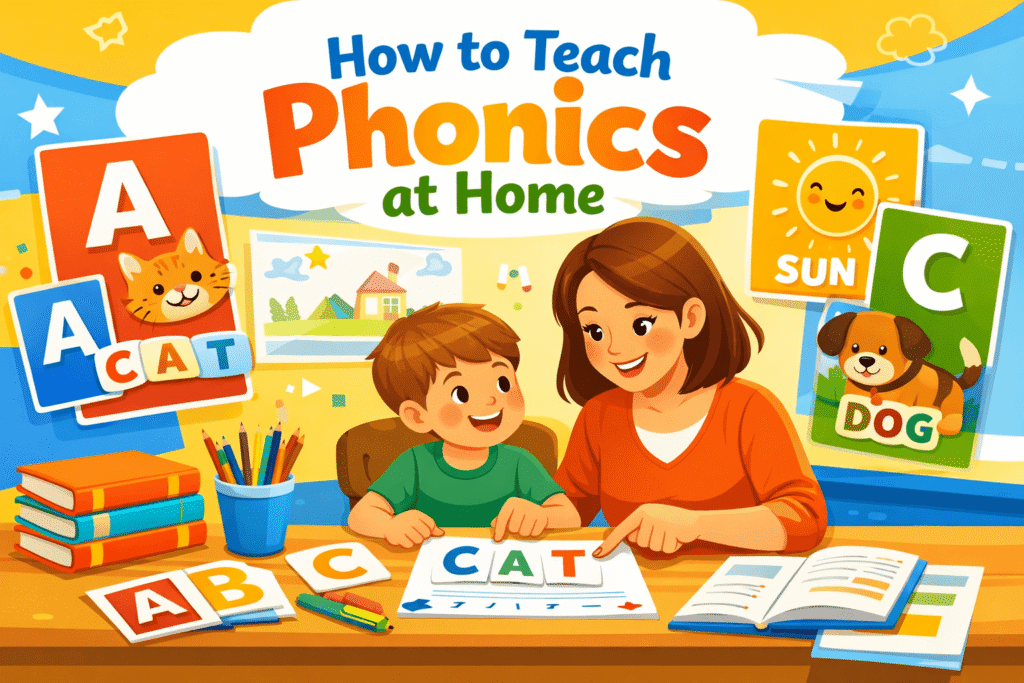
Phonics activities help children recognize letter sounds, improve reading readiness, and develop early literacy skills.
Popular phonics printables include:
- Letter sound matching
- Beginning sounds activities
- Tracing worksheets
- Reading practice pages
- Vowel and blend exercises
These activities are especially valuable for preschool and kindergarten learners.
2. Educational Worksheets
Printable worksheets remain one of the most effective ways to reinforce learning concepts.
Examples include:
- Alphabet practice
- Number recognition
- Counting activities
- Shape identification
- Coloring and matching exercises
Educational worksheets provide structured learning while keeping children engaged.
3. Learning Journals and Log Books
Learning journals encourage reflection and help children track their educational progress.
Benefits include:
- Building writing confidence
- Encouraging self-expression
- Recording daily learning achievements
- Developing organizational skills
Parents often use journals to create a positive learning routine at home.
4. Chore Charts and Responsibility Trackers
Teaching responsibility is an important part of child development.
Printable chore charts help children:
- Complete daily tasks
- Build positive habits
- Learn accountability
- Develop independence
Reward systems and progress trackers can make routine tasks more motivating and enjoyable.
5. Planners and Habit Trackers
Kids planners help children stay organized and build healthy daily habits.
These resources can be used to track:
- Homework
- Reading goals
- Daily routines
- Personal responsibilities
- Learning achievements
Planners encourage structure while helping children feel more confident and capable.
How Printable Activities Support Homeschool Learning
Homeschool families often rely on printable educational resources because they offer flexibility and convenience.
Printable activities can be used to:
- Supplement existing curriculum
- Create personalized lesson plans
- Reinforce difficult concepts
- Add creative learning opportunities
- Track educational progress
Because they can be printed whenever needed, they provide excellent value for parents and educators.
Choosing the Right Printable Learning Resources
When selecting educational printables, parents should look for resources that are:
- Age appropriate
- Easy to understand
- Visually engaging
- Educationally valuable
- Designed for active participation
The best printable activities combine learning objectives with fun, interactive experiences that keep children motivated.
Final Thoughts
Printable learning activities continue to be one of the most effective ways to support children’s education at home. From phonics worksheets and educational journals to planners and responsibility trackers, these resources help children develop essential skills while making learning enjoyable.
Whether you’re a parent, teacher, or homeschool educator, printable educational activities provide a simple way to encourage creativity, learning, and personal growth every day.
Explore a variety of printable worksheets, workbooks, journals, and learning resources to help your child learn with confidence and have fun along the way.