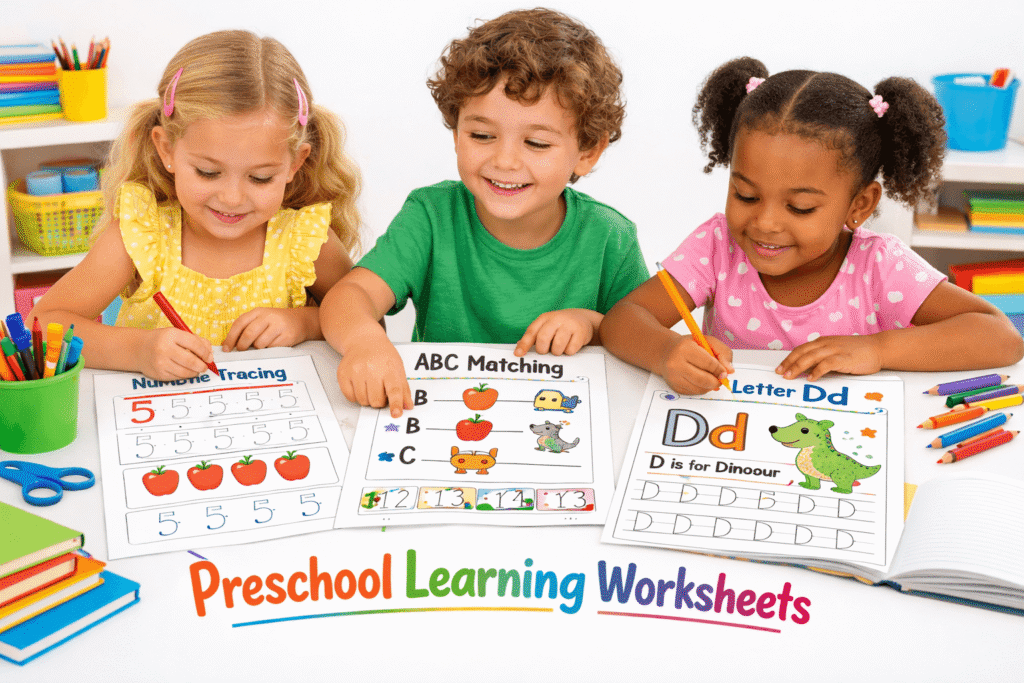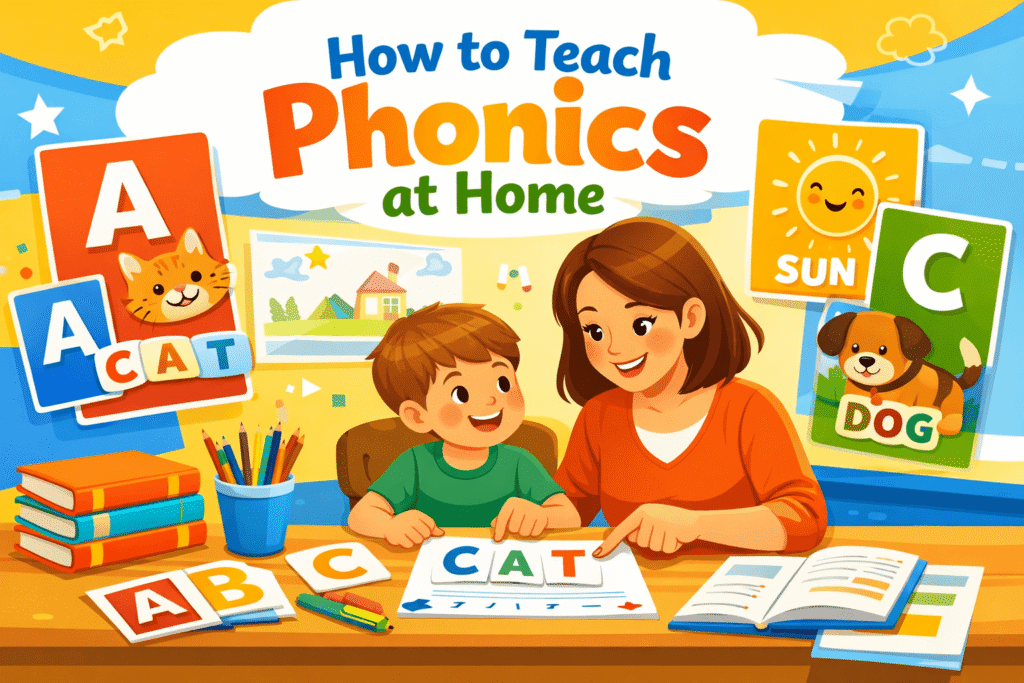
Helping kindergarten kids develop a daily learning routine can make a big difference in their educational growth, confidence, and independence. At this age, children learn best through consistency, fun activities, and hands-on experiences. A structured routine doesn’t have to be complicated it simply creates a balance between learning, play, creativity, and rest.
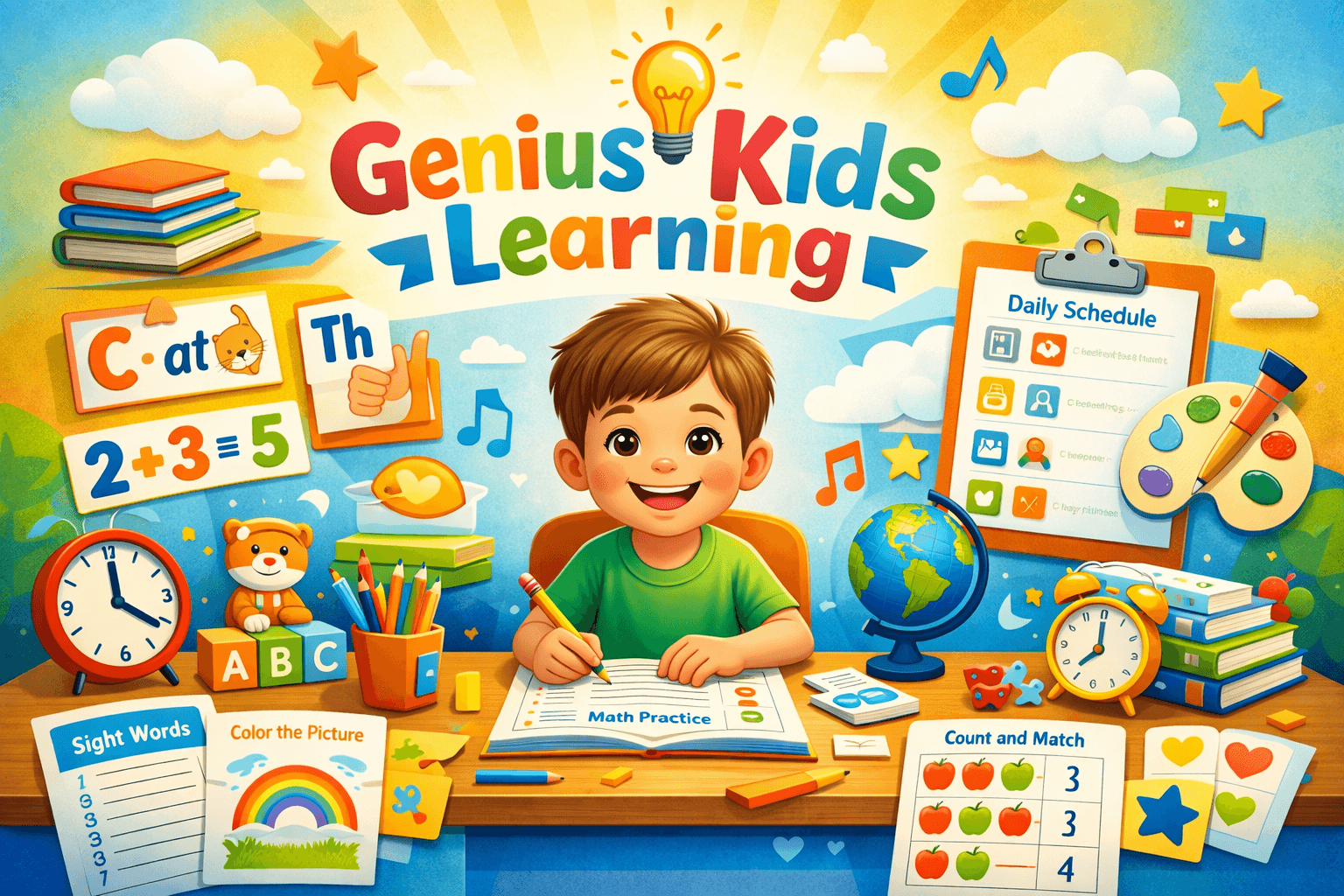
In this guide, you’ll discover an easy daily learning routine that parents can use at home to support kindergarten learning while keeping children engaged and excited.
Why a Daily Learning Routine Matters
Young children thrive when they know what to expect throughout the day. A consistent learning routine helps:
- Build confidence and independence
- Improve focus and attention
- Develop healthy learning habits
- Reduce daily stress and frustration
- Encourage a love for learning
Even 30 to 60 minutes of structured educational activities each day can help children strengthen important skills.
Morning Learning Routine
1. Morning Check-In (5 Minutes)
Start the day with a positive conversation.
Ask simple questions such as:
- How are you feeling today?
- What would you like to learn today?
- What are you excited about?
This helps children develop communication skills and emotional awareness.
2. Reading Time (15 Minutes)
Reading is one of the most valuable daily activities for kindergarten children.
Activities can include:
- Reading picture books together
- Practicing letter sounds
- Identifying sight words
- Discussing story characters
Daily reading helps improve vocabulary, listening skills, and early literacy development.
3. Phonics Practice (10–15 Minutes)
Phonics activities help children learn how letters and sounds work together.
Fun ideas include:
- Letter tracing worksheets
- Sound matching games
- Beginning sound activities
- Printable phonics workbooks
Consistent phonics practice supports early reading success.
Midday Learning Activities
4. Math Practice (10–15 Minutes)
Kindergarten math should be fun and interactive.
Try activities such as:
- Counting objects
- Number recognition worksheets
- Shape matching games
- Simple addition exercises
Hands-on learning makes math easier and more enjoyable.
5. Creative Learning Time (15–20 Minutes)
Creativity plays an important role in child development.
Ideas include:
- Drawing and coloring
- Journaling
- Craft projects
- Creative writing activities
- Printable activity books
Creative activities encourage imagination and problem-solving skills.
Afternoon Learning Routine
6. Educational Worksheets (15 Minutes)
Worksheets can reinforce skills learned throughout the day.
Focus on:
- Letters and sounds
- Reading comprehension
- Numbers and counting
- Fine motor skills
- Problem-solving activities
Printable worksheets provide a structured and engaging way to practice learning concepts.
7. Responsibility & Life Skills (10 Minutes)
Learning isn’t limited to academics.
Teach important life skills through:
- Chore charts
- Habit trackers
- Responsibility checklists
- Daily routines
These activities help children develop independence and confidence.
Screen-Free Learning Activities
Many parents look for alternatives to excessive screen time.
Great screen-free activities include:
- Reading books
- Puzzles
- Building blocks
- Learning journals
- Printable worksheets
- Educational games
These activities encourage active learning and creativity.
Sample Kindergarten Daily Learning Schedule
Morning
- Reading: 15 minutes
- Phonics: 15 minutes
Midday
- Math Activities: 15 minutes
- Creative Learning: 20 minutes
Afternoon
- Worksheets: 15 minutes
- Responsibility Activities: 10 minutes
Total Structured Learning Time:
Approximately 1 to 1.5 hours per day.
Tips for Success
- Keep learning sessions short and fun.
- Celebrate small achievements.
- Use colorful educational resources.
- Follow your child’s interests.
- Maintain consistency without being rigid.
Remember, every child learns at a different pace. The goal is to create positive learning experiences that build confidence and curiosity.
Final Thoughts
A daily learning routine for kindergarten kids doesn’t need to be complicated. By combining reading, phonics, math, creative activities, worksheets, and life skills practice, parents can create a balanced learning environment that supports both educational growth and personal development.
Consistency, encouragement, and fun learning activities are the keys to helping children build a strong foundation for future success.