Preschool is one of the most important stages in a child’s development. During these early years, children begin building the foundational skills they will use throughout their educational journey. One of the easiest and most effective ways to support early learning is through printable worksheets designed specifically for preschool-aged children.
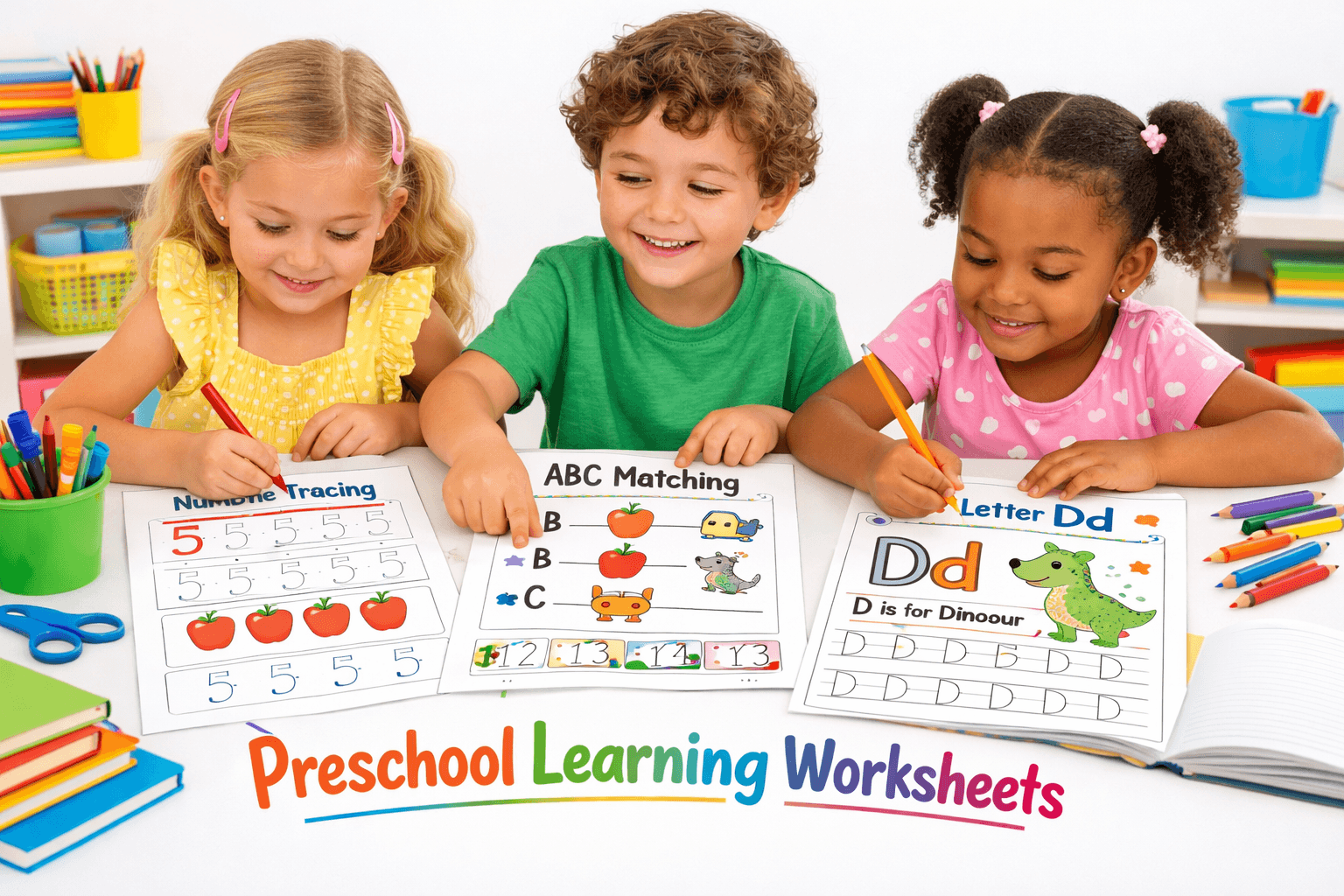
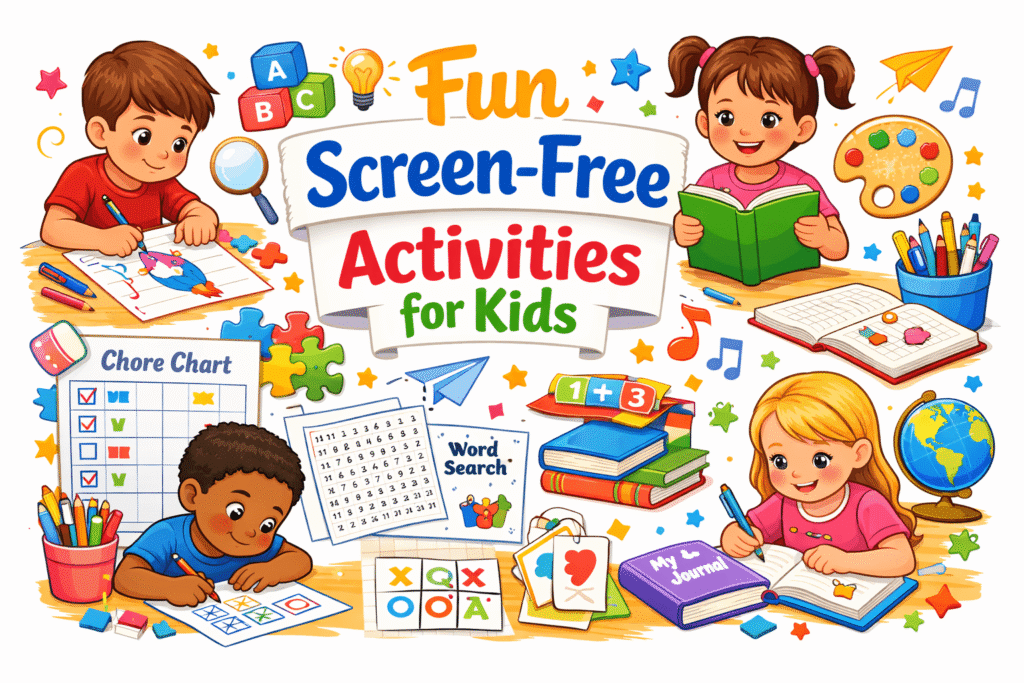
Printable worksheets provide a fun, engaging, and screen-free way for children to practice important skills such as letter recognition, number identification, tracing, problem-solving, fine motor development, and creativity.
In this guide, we’ll explore the best printable worksheets for preschool kids, their benefits, and how parents can use them to create an enjoyable learning experience at home.
Why Printable Worksheets Are Great for Preschoolers
Printable worksheets offer a structured yet flexible learning approach that allows children to practice at their own pace. Unlike many digital activities, worksheets encourage hands-on learning and help develop fine motor skills through writing, tracing, coloring, and drawing.
Some of the biggest benefits include:
- Encouraging independent learning
- Improving concentration and focus
- Strengthening hand-eye coordination
- Supporting early reading and math skills
- Reducing screen time
- Building confidence through achievement
Whether you’re homeschooling or simply looking for educational activities at home, printable worksheets can be a valuable learning tool.
1. Alphabet Recognition Worksheets
Learning the alphabet is one of the first milestones in early education. Alphabet worksheets help children recognize letters, identify sounds, and begin understanding how letters form words.
Popular activities include:
- Letter tracing
- Uppercase and lowercase matching
- Letter coloring pages
- Beginning sound identification
- Alphabet mazes
These activities help prepare children for future reading success.
2. Number Recognition Worksheets
Number worksheets introduce children to counting and basic math concepts in a fun and approachable way.
Examples include:
- Number tracing
- Counting objects
- Number matching activities
- Missing number exercises
- Simple addition practice
These worksheets help build early numeracy skills while improving logical thinking.
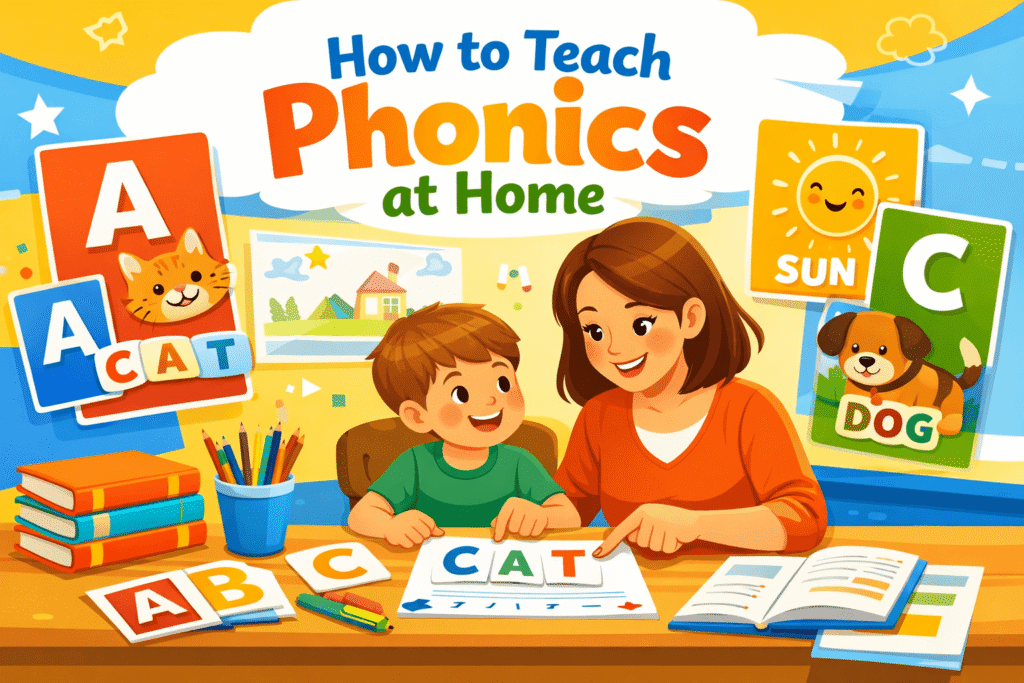
3. Phonics Practice Worksheets
Phonics worksheets are essential for developing reading readiness.
Children can practice:
- Letter sounds
- Beginning sounds
- Vowel recognition
- Word families
- Sound matching activities
Regular phonics practice helps children build confidence in reading and language development.
4. Tracing and Fine Motor Skill Worksheets
Fine motor skills play an important role in a child’s ability to write, draw, and complete daily tasks.
Tracing worksheets help strengthen:
- Pencil control
- Hand strength
- Coordination
- Writing readiness
Activities may include tracing lines, shapes, letters, numbers, and simple patterns.
5. Shape and Color Recognition Worksheets
Understanding shapes and colors helps children develop visual perception and observation skills.
Popular worksheet activities include:
- Shape matching
- Color identification
- Coloring exercises
- Pattern recognition
- Sorting activities
These worksheets make learning both interactive and enjoyable.
6. Preschool Learning Activity Sheets
Comprehensive learning worksheets combine multiple educational concepts into one engaging activity.
Examples include:
- Matching games
- Cut-and-paste activities
- Visual puzzles
- Problem-solving challenges
- Learning games
These activities help keep children motivated while reinforcing important skills.
How to Use Printable Worksheets Effectively
To get the best results, parents should create a positive and encouraging learning environment.
Helpful tips include:
Keep Sessions Short
Preschool children learn best through short learning sessions of 10–20 minutes.
Make Learning Fun
Use colorful worksheets, praise achievements, and celebrate progress.
Be Consistent
Regular practice helps reinforce concepts and build confidence over time.
Encourage Independence
Allow children to complete activities on their own whenever possible while providing support when needed.
Screen-Free Learning for Modern Families
Many parents are looking for ways to reduce screen time while still supporting their child’s education. Printable worksheets provide a healthy balance between learning and play.
Children can interact directly with educational materials while developing important cognitive and motor skills without relying on electronic devices.
Choosing the Right Preschool Worksheets
When selecting worksheets, look for resources that are:
- Age appropriate
- Visually engaging
- Easy to understand
- Educational and fun
- Designed by learning-focused creators
The best worksheets keep children interested while helping them build real skills.
Final Thoughts
Printable worksheets are one of the most effective tools for supporting preschool learning at home. From alphabet recognition and phonics practice to number activities and fine motor development, these resources help children build essential skills through engaging educational experiences.
Whether you’re a parent, teacher, or homeschool educator, printable worksheets can make learning more enjoyable and help children develop confidence as they grow.
Explore educational resources that encourage creativity, curiosity, and lifelong learning while making every day a fun learning adventure.